

The Information and Communication Technologies against Climate Change (ICTvsCC) research group at the ITACA Institute of the Universitat Politècnica de València (UPV) has concluded a busy week of knowledge-transfer activities aimed at bringing the results of its projects on sustainable cooling, geothermal energy, and the energy transition closer to society.
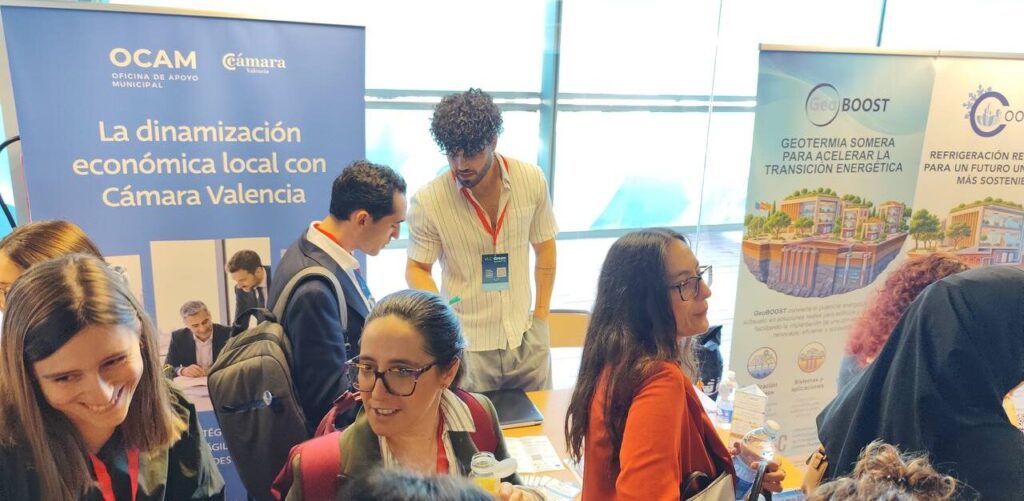
The programme began on 26 October at Green Summit 2026, where the group showcased its projects at an information stand. Javier Urchueguía, head of ICTvsCC, also moderated the session entitled ‘Natural Capital: Biodiversity and Water’.
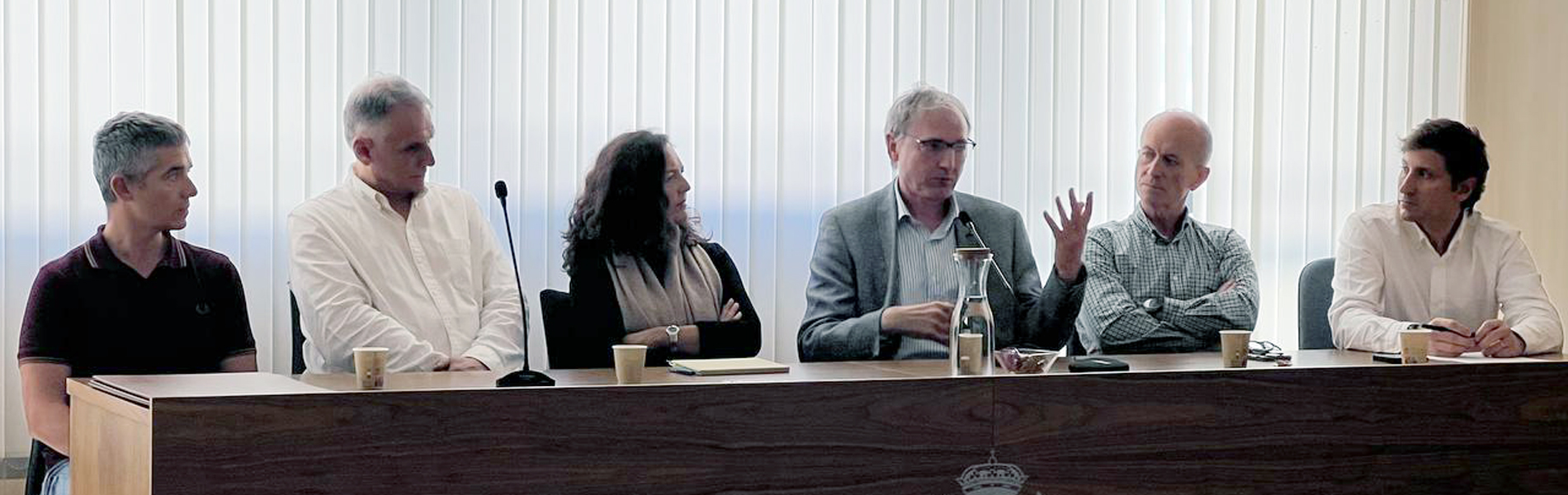
On 28 October, the event ‘Sustainable Cooling and Resilient Cities’ explored solutions to help buildings and cities adapt to rising temperatures, improve the energy efficiency of cooling systems and accelerate urban decarbonisation.
The event brought together experts from Consorci de la Ribera, Géminis Tools, EMIVASA, the Universitat de València and UPV. Presentations covered public procurement of innovation, energy savings certificates, the decarbonisation of cooling systems and Valencia’s water supply, regulatory developments and energy efficiency on campus.
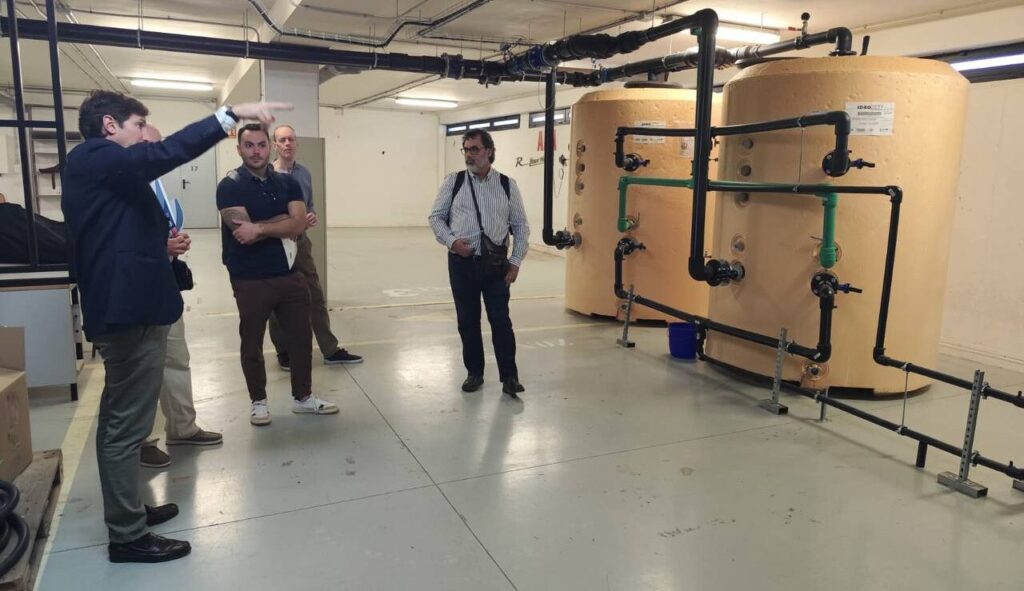
Javier Urchueguía presented the results of the Cooling Down project and opportunities for their exploitation and wider uptake. The session concluded with a visit to Aiguaterm.
Geothermal energy in municipal energy planning
On 29 October, the event ‘Geothermal Energy and the Energy Transition’ examined the potential of the subsurface as an energy resource and the integration of geothermal energy into municipal energy planning, including applications in buildings and district heating and cooling networks.
The event was officially opened by Avelino Mascarell, representing the Diputació de València, and featured experts from the Geological and Mining Institute of Spain (IGME), the Universidad Politécnica de Cartagena, the Universidad a Distancia de Madrid and UPV.
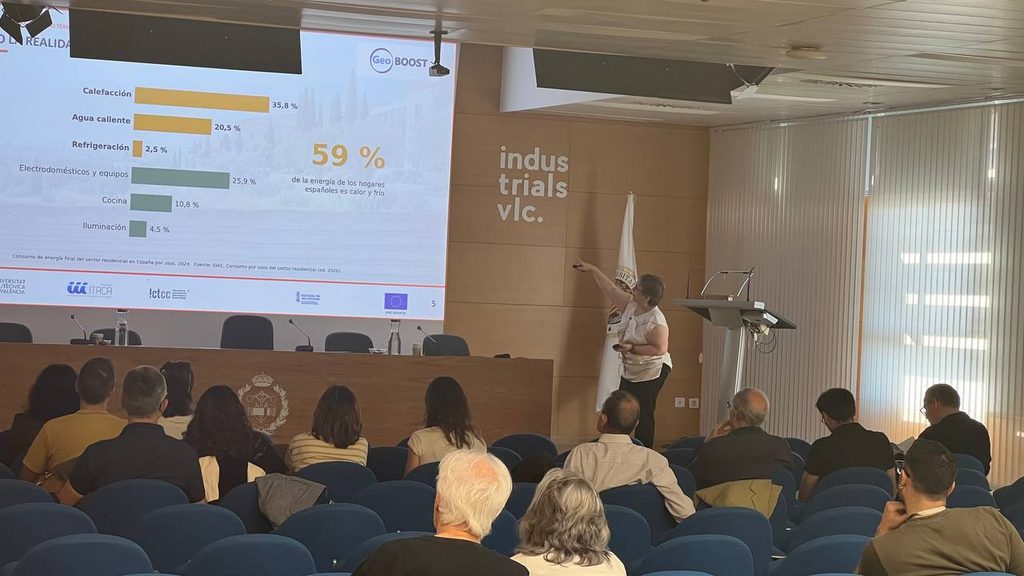
Discussions focused on the thermal limits of shallow geothermal energy, its integration into urban environments, the geothermal potential of the Valencian Community, the monetisation of energy savings through the Energy Savings Certificate (CAE) scheme, and the performance of more than 60 installations at municipal swimming pools. The event also included a visit to the ICTvsCC geothermal laboratory.
‘These activities reinforce ITACA-UPV’s commitment to knowledge transfer and the practical application of research to today’s energy and environmental challenges’, said Javier Urchueguía, head of the ICTvsCC group and organiser of the events.
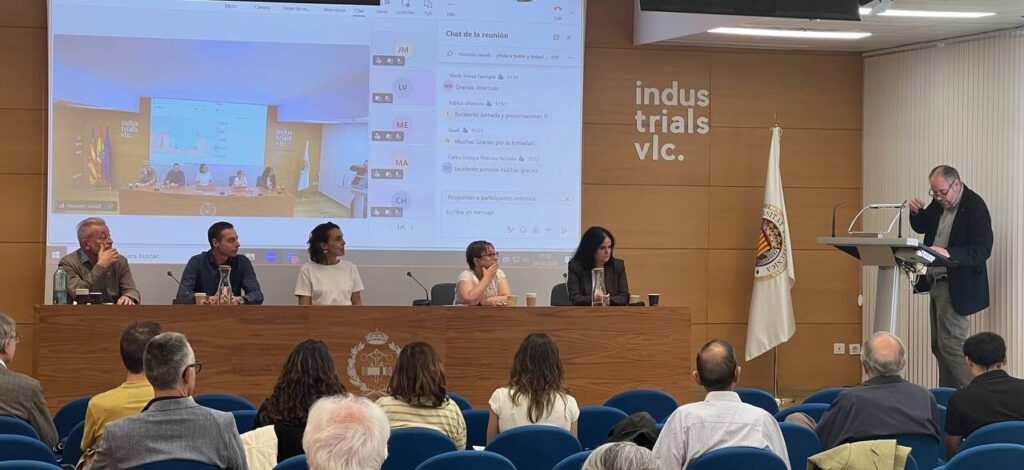
‘Municipalities should consider geothermal energy as an option within their local energy plans. Support from public authorities and a thorough understanding of the available geothermal resources are essential to encourage its wider deployment’, explained Borja Badenes, a researcher in the ICTvsCC group.
The events held on 28 and 29 October were organised with the support of the Generalitat Valenciana, through funding for communication activities and the exploitation and dissemination of results from the European projects Cooling Down and LIFE GeoBOOST