

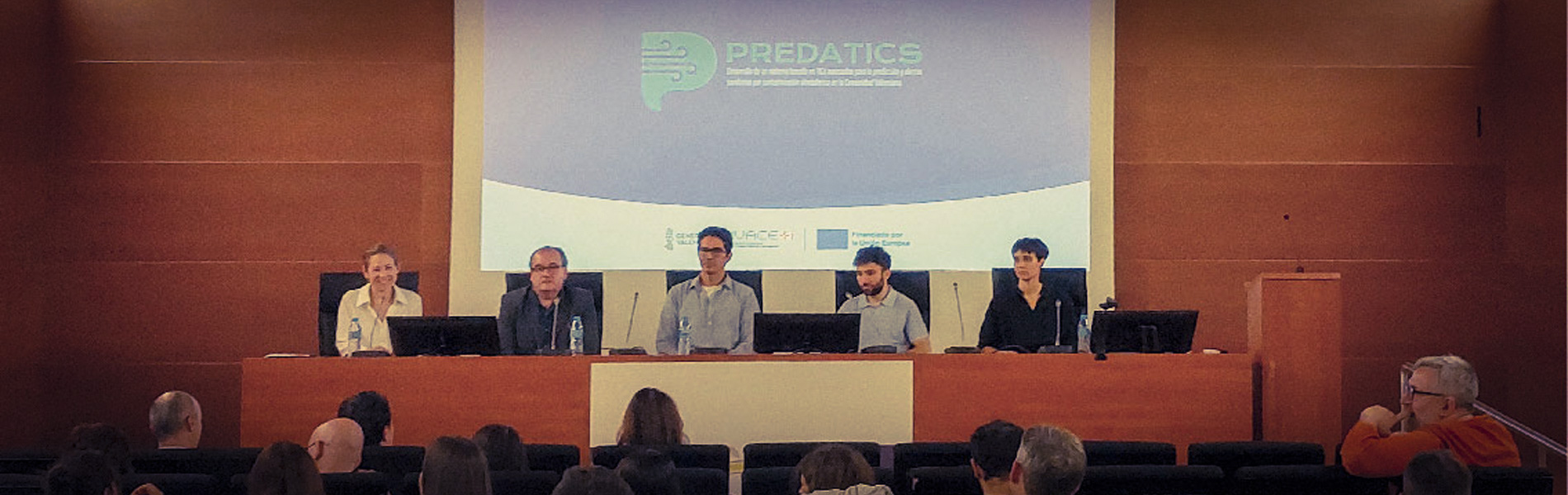
On 19 November, the Universitat Politècnica de València (UPV) hosted an event to present the results of the PREDATICS project, coordinated by Victoria Lerma, an ICT vs CC- ITACA researcher, which aims to improve air pollution forecasting and protect public health.
The initiative focuses on developing an intelligent system that combines artificial intelligence (AI), big data and remote sensing technologies to integrate satellite imagery and meteorological data, enabling the prediction of air pollution episodes and the issuing of public health alerts across the Valencian Community.
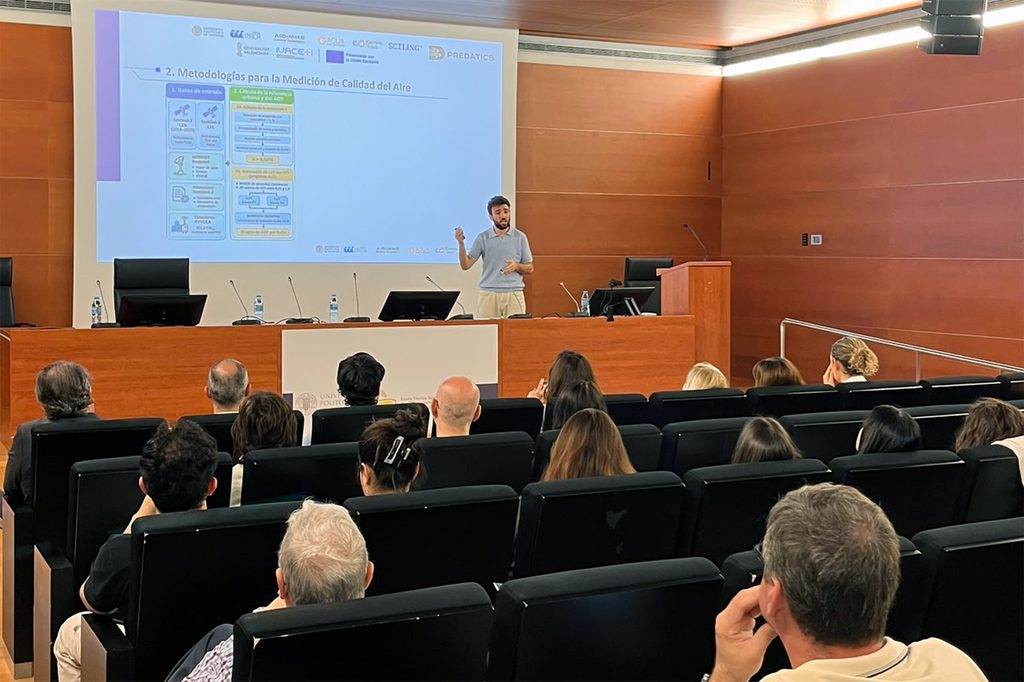
The event showcased the project’s key findings and achievements, highlighting the potential of these technologies to enhance air quality monitoring, inform decision-making and reduce the health risks associated with air pollution.
PREDATICS is funded by the Valencian Institute of Competitiveness and Innovation (IVACE+i), part of the Generalitat Valenciana (Valencian Regional Government), and brings together AIDIMME, G-Agua, Geminis Tools and Sciling.
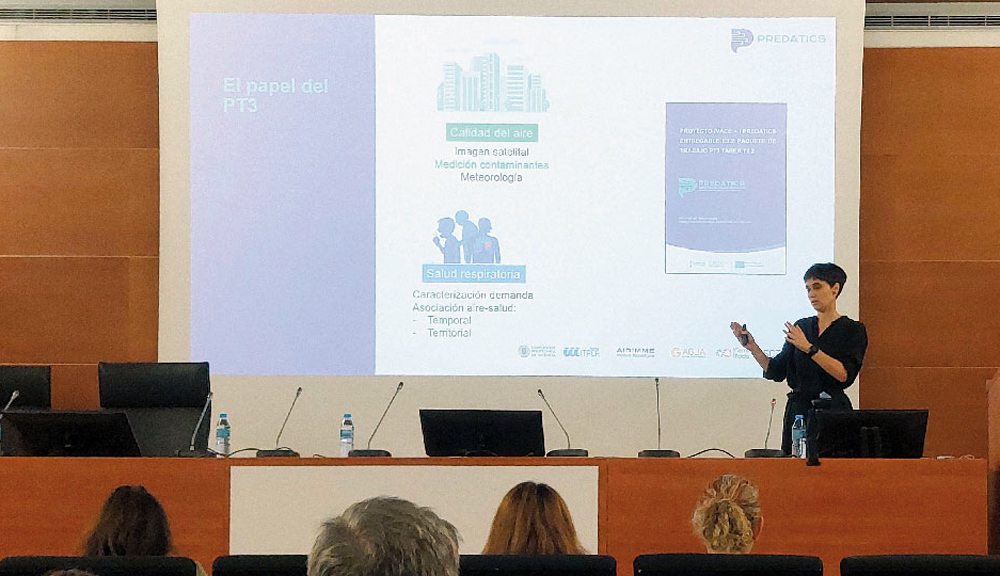
The project highlights the value of collaboration between research institutions and industry in developing innovative technological solutions that contribute to public health protection and environmental sustainability.