


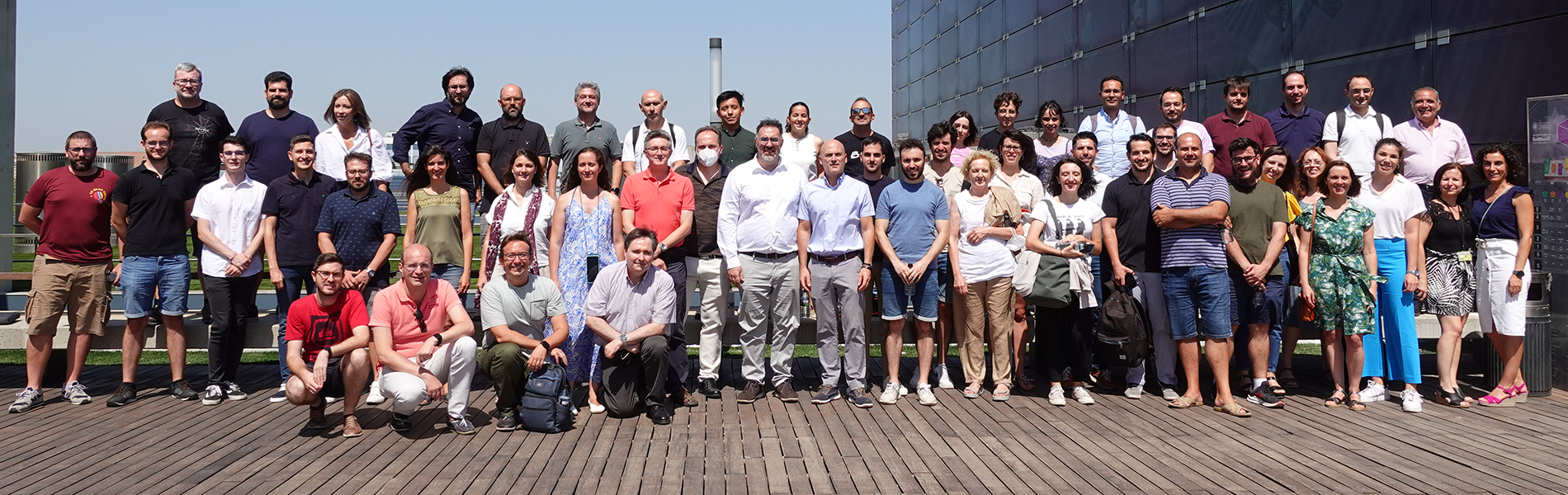
A new edition of the Workshop on Innovation on Information and Communication Technologies took place on 14 and 15 July. As a novelty, this year, it has been extended to two days to dedicate one day exclusively to the presentation of the papers accepted by the WIICT Scientific Committee.
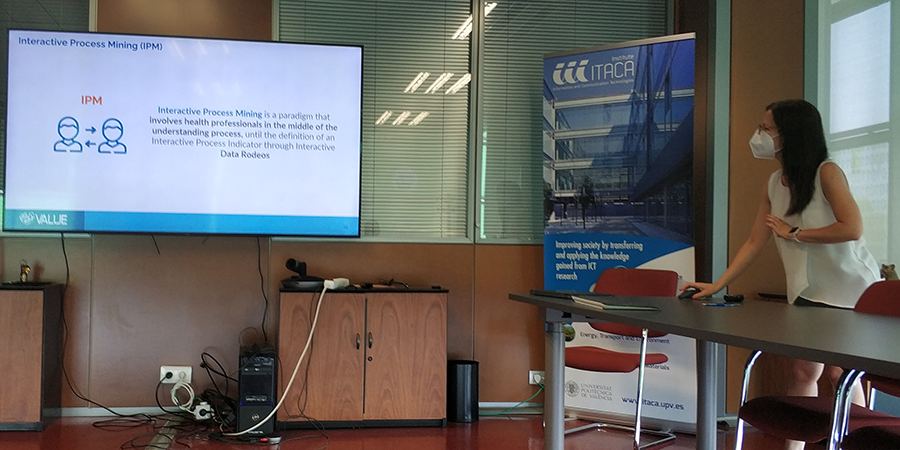
The Vice-Rector for Innovation and Technology Transfer of the Universitat Politècnica de València (UPV), Salvador Coll, opened the Congress. On this occasion, the agenda presented emblematic projects and Business Chairs. In addition, some of the researchers to be promoted presented their research through short videos.
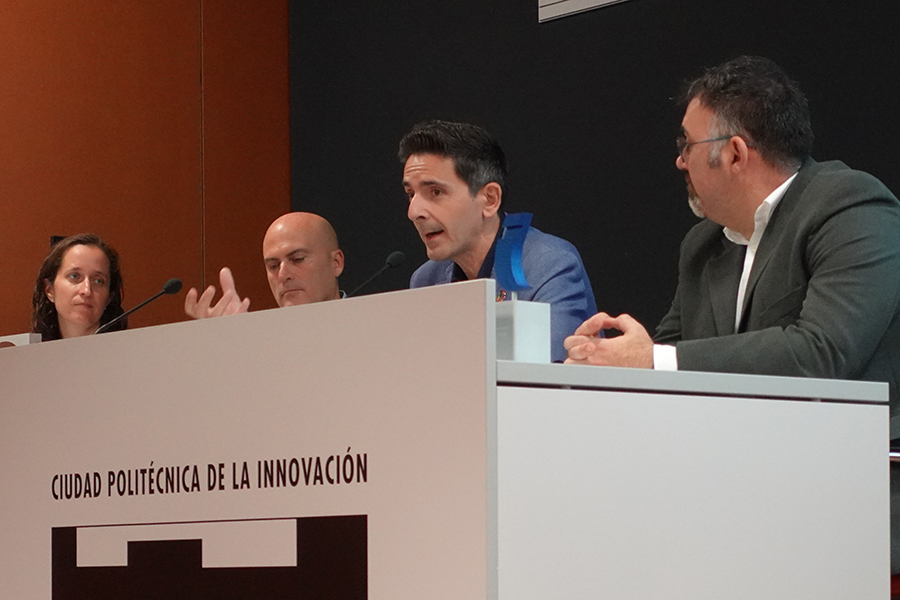
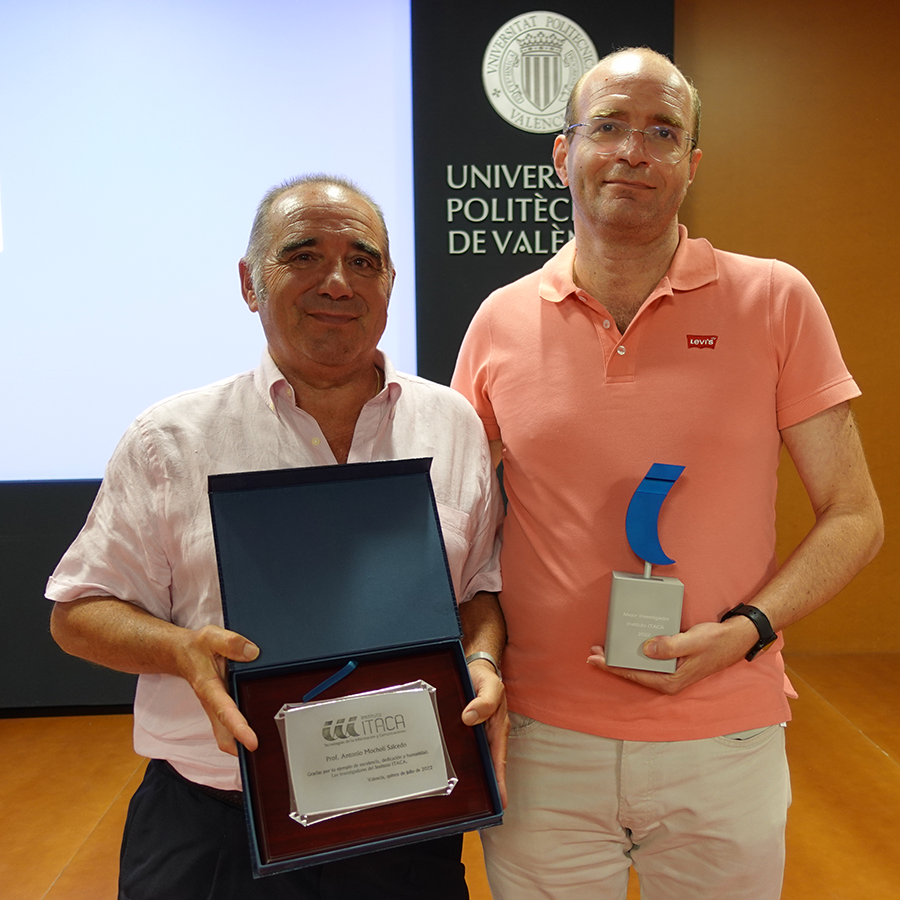
Finally, Antonio Mocholí Salcedo was honoured on his recent appointment as Ad Honorem Professor of the UPV, and Vicente Traver was recognised as an outstanding researcher of the ITACA Institute during the last year.
ITACA-WIICT’22 is a meeting forum for scientists, technicians and other professionals involved in the study and research of information and communication technologies. Its main scope is to promote contact between scientists and professionals, improving cooperation and technology transfer.