




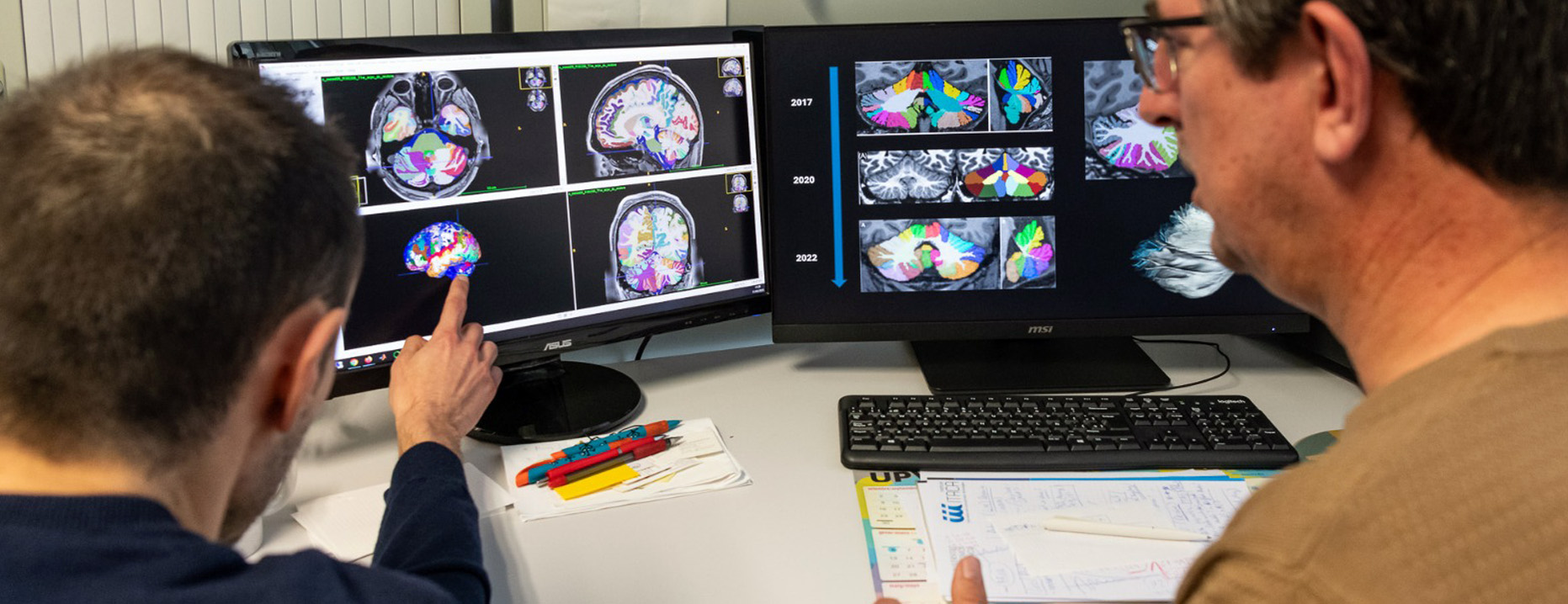
The volBrain platform helps improve the diagnosis and research of epilepsy. volBrain incorporates a set of brain analysis tools based on magnetic resonance imaging and artificial intelligence. It has been developed by the MIA-LAB research group at ITACA-UPV, led by Professor José Vicente Manjón.
Epilepsy is a neurological disorder that affects more than 50 million people worldwide and, in many cases, is associated with structural alterations in specific regions of the brain. Therefore, the correct identification and quantification of these changes are key to improving diagnosis, therapeutic planning, and clinical follow-up of patients.
In this context, volBrain provides quantitative, objective, and reproducible information on multiple brain structures directly related to different types of epilepsy, facilitating detailed analysis of the regions typically affected in this pathology.
“Epilepsy affects complex brain networks involving key structures such as the hippocampus, thalamus, amygdala, entorhinal cortex, or basal ganglia. The tools developed in volBrain allow us to analyze these regions with an unprecedented level of detail and objectivity, identifying subtle structural alterations that are especially relevant in focal and temporal lobe epilepsies”, says José Vicente Manjón, head of the MIA-LAB group.
In this sense, the ITACA researcher indicates that this information can help to “improve the diagnosis and follow-up of patients, as well as advance the understanding of the brain mechanisms involved in the disease.”
Technology at the service of clinical practice and research
One of the main strengths of volBrain is that it democratizes access to advanced brain analysis techniques by offering a free, research-use online platform, scientifically validated by numerous international publications.
In recent years, volBrain has become a reference tool for the development of multiple clinical and research studies in neuroimaging, having processed online more than 750,000 brains worldwide.
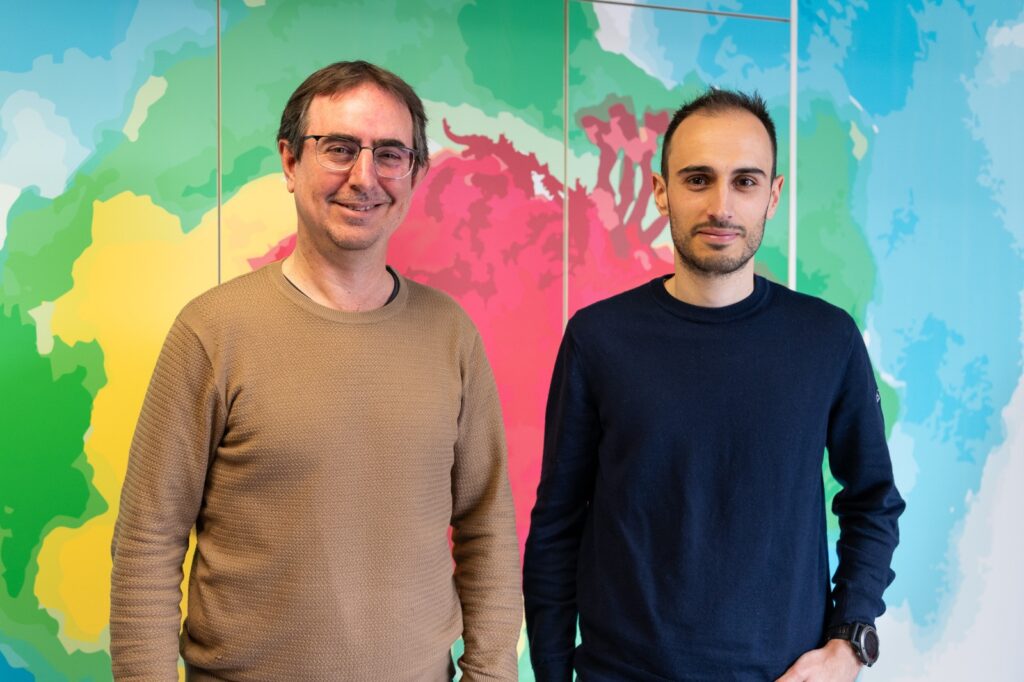
“Thanks to these tools, clinicians and researchers can detect subtle structural alterations that are difficult to identify visually, compare each patient with normative databases, improve patient stratification, support clinical decision-making, and advance knowledge of the brain mechanisms involved in epilepsy», highlights Sergio Morell, researcher in the MIA-LAB group at ITACA.
Research with real impact
The development of volBrain is an example of the ITACA Institute’s commitment to applied, open research with social impact, capable of transferring advances in artificial intelligence and medical image processing to real health problems.
On World Epilepsy Day, ITACA and the MIA-LAB group reaffirm their commitment to technology as an ally to improve the quality of life of people with epilepsy, facilitating more accurate diagnoses and a better understanding of this neurological pathology.