




Antonio Martínez Millana, researcher of the SABIEN group of the ITACA-UPV Institute, has participated as an instructor of the programme «Digital Health (d-Health)», held from 8 to 12 July in Berlin, to improve the health systems of Central Asian countries through the implementation of innovative digital technologies.
The programme, which is promoted by the European Office of the World Health Organization (WHO) and the European Commission, aims to provide technical and policy expertise on the safety and effectiveness of digital health solutions to countries in the Central Asian region.
«The d-Health programme is an initiative designed to promote the use of digital technologies in health, with the aim of preserving health equity, gender equality and human rights,» says the ITACA researcher.
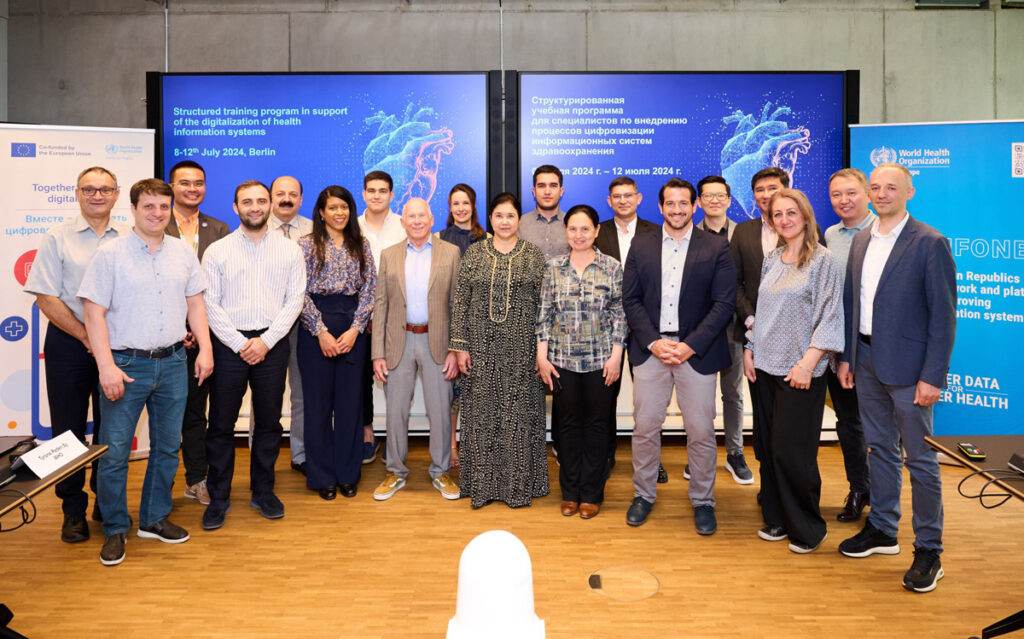
During the training, Antonio Martínez Millana shared his knowledge and experience in the use of digital technologies with representatives from Kyrgyzstan, Uzbekistan, Kyrgyzstan, Turkmenistan and Tajikistan. He also explained the potential of tools to identify and develop key indicators to measure and improve the performance of health systems themselves.
He explained strategies for designing and implementing federated health systems, based on big data technologies and focused on the interoperability of information systems. These approaches contribute to strengthening critical public health functions, such as disease monitoring, early alert and risk assessment.
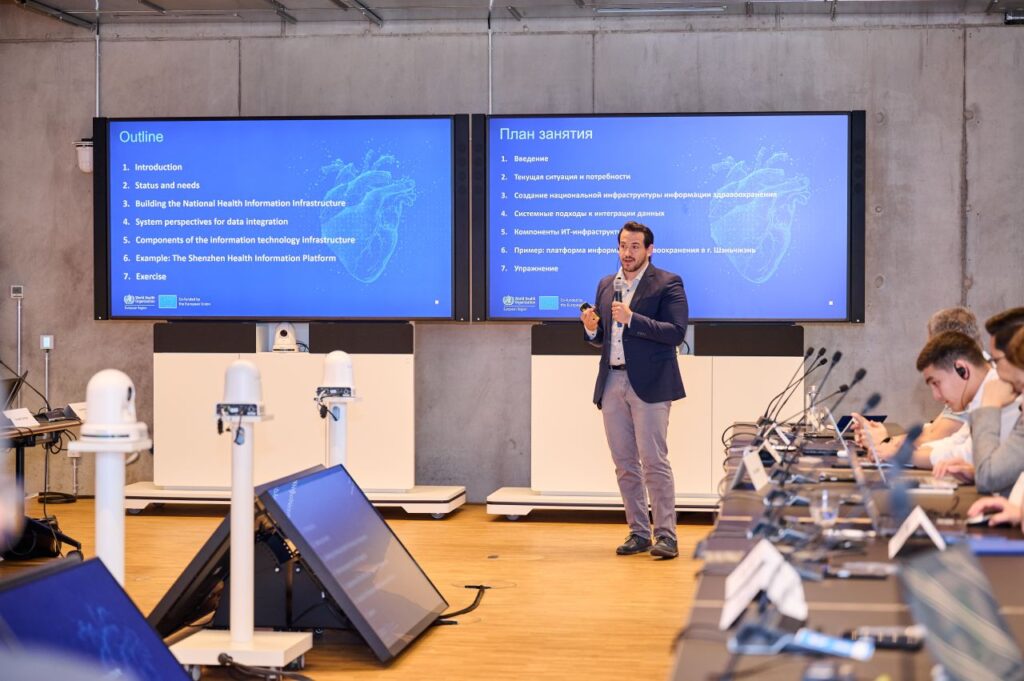
«Because of their heterogeneity, many health systems are fragmented, both geographically and functionally. This fragmentation is not negative, but it can have a negative impact on the quality of care and the ability of health organisations to control processes, ensure safety and promote quality medicine. We know how to build resilient and adaptive health systems that can cope with contemporary challenges through the use of innovative technologies, and it is essential to share this knowledge and adapt it to their specific national contexts,» concludes Dr Martínez Millana.